


Consultation hotline
How to choose softened water equipment for boilers?
Release time:
2026-02-26 17:00
High-Pressure Boiler Makeup Water Treatment Equipment is suitable for treating boiler makeup water in thermal power plants, as well as large and medium-sized industrial and mining enterprises. It utilizes the world's most advanced reverse osmosis membrane elements and pressure vessels, among other components. Paired with reasonable pre-treatment and post-treatment equipment, it can produce water that meets the standards for high-pressure boiler makeup water in the electric power industry. The control system adopts industrial computer program control, enabling automatic start-stop, chemical dosing, and flushing, as well as automatic detection of various operating parameters. It can print daily and monthly reports for production management.
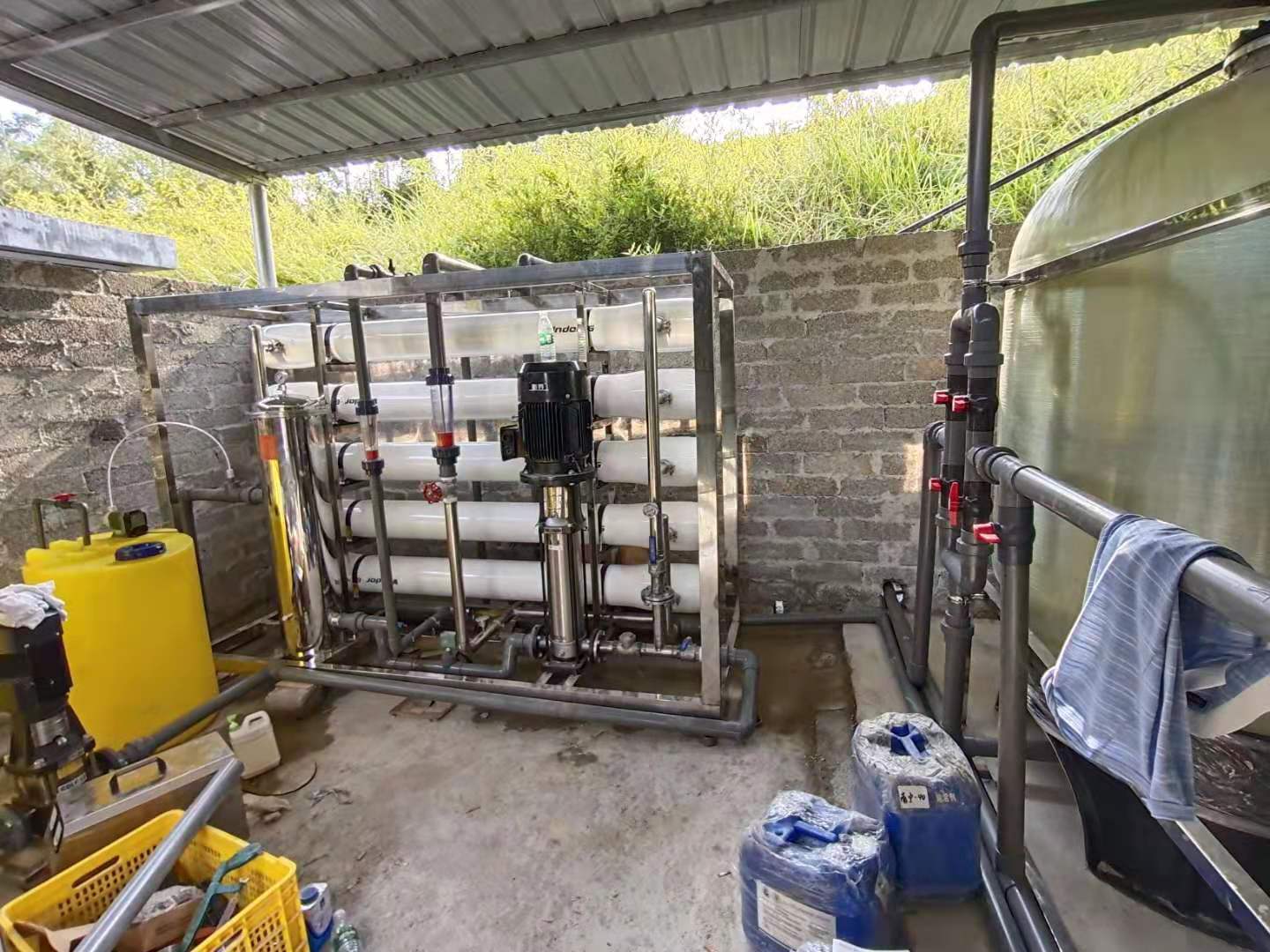
Functions:
-
High Desalination Rate, Low Operating Pressure: Utilizes imported low-pressure卷式 (spiral-wound) composite reverse osmosis membranes, ensuring excellent product water quality, low operating costs, and a long service life.
-
High Efficiency, Low Noise: Designed for efficient performance with minimal noise generation.
-
Online Monitoring: Equipped with imported online conductivity meters for raw water and product water, as well as a pH meter, allowing real-time monitoring of water quality conditions.
-
Flow Monitoring: Features imported online flow meters for product water and concentrated water, enabling real-time monitoring of product water volume and system recovery rate.
-
Automatic Cleaning System: Configured with an automatic circulation system, reserved for cleaning the membranes after contamination.
-
Membrane Protection: Equipped with a quick flush valve that periodically cleans the membrane surface, reducing the rate of membrane fouling and extending the membrane's service life.
Technical Parameters:
-
Single Unit Treatment Capacity: 10 M³/h - 120 M³/h
-
Desalination Rate: 98% for the reverse osmosis system
-
Operating Pressure: 1.0 MPa - 1.5 MPa
-
Recovery Rate: 75% - 80%
Coal-fired thermal power plants are a vital part of China's electric power industry. Water has multiple uses in the power industry, primarily including boiler makeup water, cooling water, and miscellaneous water for domestic and firefighting purposes. The most stringent water quality requirements are for boiler makeup water. As thermal power plants develop towards larger capacities and higher parameters, the quality requirements for boiler water are also increasing. Boiler makeup water quality requirements are extremely strict. Therefore, in addition to conventional water treatment methods such as coagulation, sedimentation, and filtration, pure water production technologies like ion exchange, reverse osmosis, and electrodialysis are needed for softening and desalination.
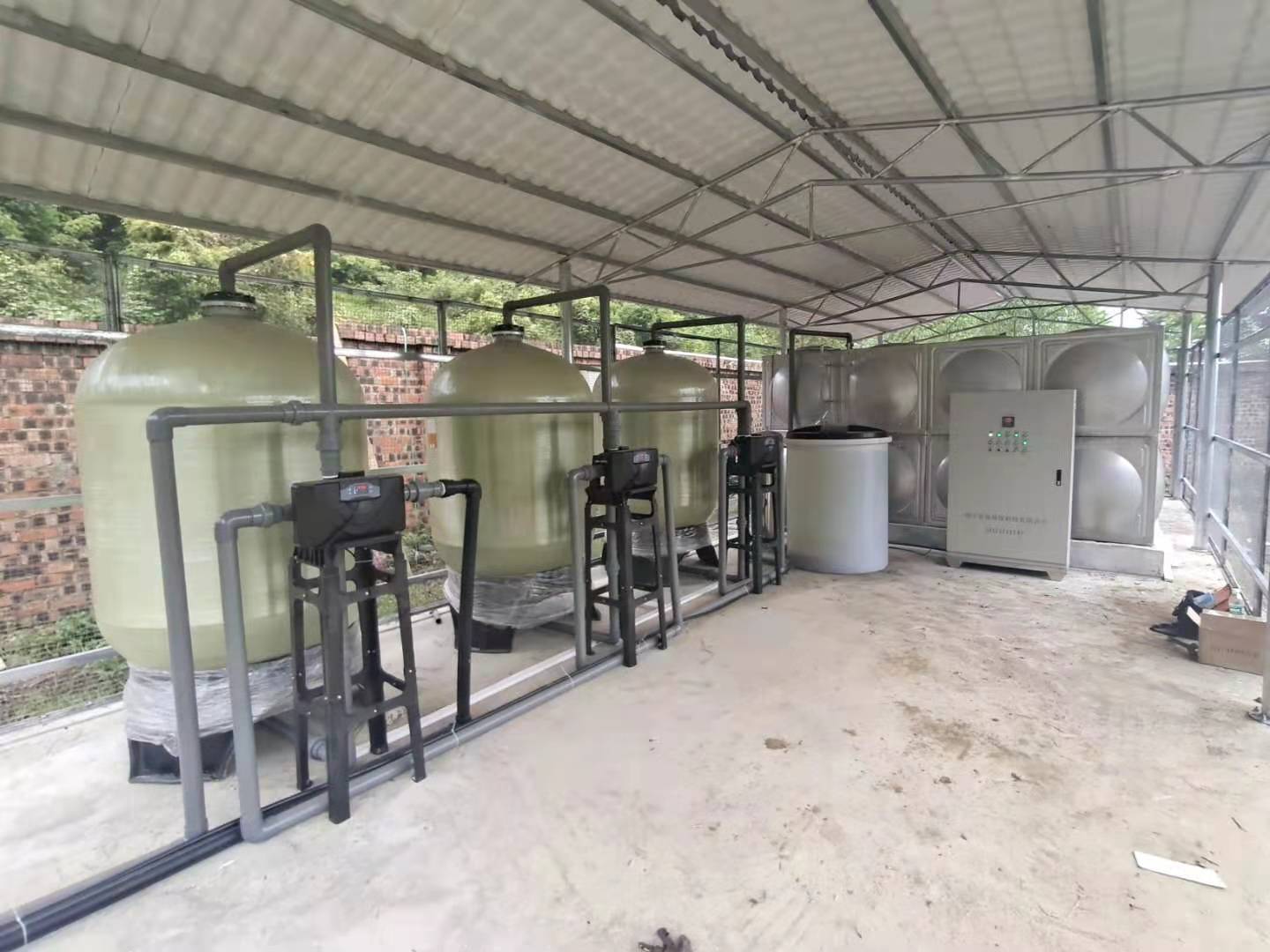
Process Flows for Manufacturing Ultrapure Water for Power Plant Boiler Makeup Water Systems:
The processes for producing ultrapure water in the power industry can be broadly categorized into the following types:
1: Using Ion Exchange Method, the process flow is as follows:
Raw Water → Raw Water Booster Pump → Multimedia Filter → Activated Carbon Filter → Water Softener → Cartridge Filter → Cation Resin Bed → Anion Resin Bed → Mixed Bed Ion Exchanger → Microporous Filter → Point of Use
2: Using Two-Stage Reverse Osmosis Method, the process flow is as follows:
Raw Water → Raw Water Booster Pump → Multimedia Filter → Activated Carbon Filter → Water Softener → Cartridge Filter → First Stage Reverse Osmosis → pH Adjustment → Intermediate Water Tank → Second Stage Reverse Osmosis (with positively charged membrane surface) → Purified Water Tank → Pure Water Pump → Microporous Filter → Point of Use
3: Using EDI Method, the process flow is as follows:
Raw Water → Raw Water Booster Pump → Multimedia Filter → Activated Carbon Filter → Water Softener → Cartridge Filter → First Stage Reverse Osmosis → Intermediate Water Tank → Intermediate Water Pump → EDI System → Microporous Filter → Point of Use
Comparison of the Three Processes for Producing Ultrapure Water for Power Plant Boiler Makeup Water Systems:
Currently, the processes for producing ultrapure water for the chemical industry are essentially the three mentioned above. Other process flows are mostly derived from different combinations and variations of these three basic processes. Their respective advantages and disadvantages are listed below:
1: The first method, using ion exchange resins, has the advantages of lower initial investment and smaller footprint. However, its disadvantage is the need for frequent resin regeneration, which consumes large amounts of acid and alkali and has a certain degree of environmental impact.
2: The second method, using two-stage reverse osmosis equipment, has a higher initial investment compared to the ion exchange resin method but requires no resin regeneration. Its disadvantage is that the related membrane elements need regular cleaning or replacement, and the water quality is relatively not the highest, typically achieving only around 1 μS/cm.
3: The third method, using reverse osmosis as pretreatment coupled with electrodeionization (EDI) devices, is currently the most economical and environmentally friendly process for producing ultrapure water. It allows for continuous ultrapure water production without the need for acid or alkali regeneration and has minimal environmental impact. Its disadvantage is that the initial investment is relatively higher compared to the two methods mentioned above.
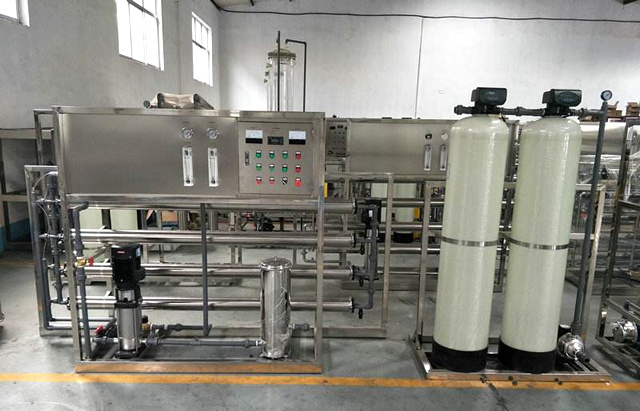
For more information on customizing water softening equipment for boiler feed water, you can contact our company by phone or leave a message on this website with your name, phone number, and requirements. We will get in touch with you promptly.
Company Phone: 0771-3865273
24-Hour Hotline: 18174741747
More news


Contact Us
Guangxi Jonline Technology Co., Ltd.
Company Address: No. 14, 1st Floor, Factory No. 2, Phase I, ASEAN International Smart Park, No. 43 Anji Avenue, Nanning City
Factory Address: No. 14, 1st Floor, Building No. 2, ASEAN International Smart Park (Phase I), No. 43 Anji Avenue, Nanning City
Phone:18249982787
Email:876089222@qq.com
WeChat Official Account