


Consultation hotline
The Origin of Purified Water Equipment
Release time:
2026-02-27 09:43
With the development of the times and the rapid advancement of science and technology, fields such as biology, chemistry and chemical engineering, metallurgy, aerospace, and electricity have extremely high requirements for water quality, particularly in the electronics and pharmaceutical industries. This led to the emergence of pure water (also known as "ultrapure water," which refers to water with extremely high chemical purity). To obtain pure water, "purified water equipment" appeared on the market.
The core technology of purified water equipment utilizes processes such as reverse osmosis and EDI, with (complete sets of) high-purity water treatment processes designed specifically to meet the water requirements for purified water preparation and large-volume injection preparation in pharmaceutical factories and hospitals.
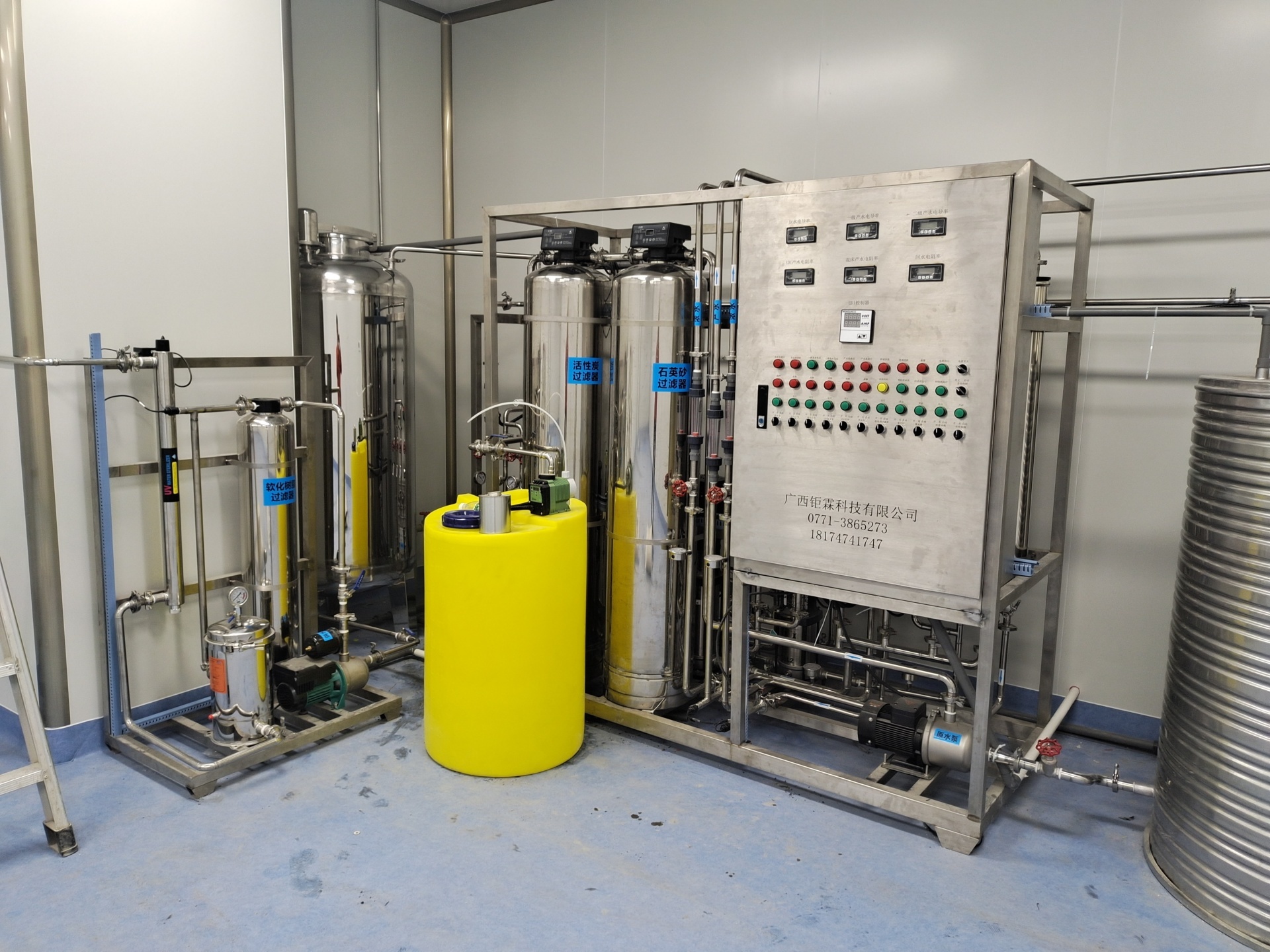
Due to its widespread use in the pharmaceutical industry, purified water equipment must meet extremely high requirements. The requirements are as follows:
-
The structural design should be simple, reliable, and easy to assemble and disassemble.
-
Components should be designed for easy disassembly, replacement, and cleaning. The execution mechanisms should utilize standardized, universal, and systematic parts.
-
The inner and outer surfaces of the equipment should be smooth, flat, free of dead corners, and easy to clean and sterilize. Part surfaces should be treated, such as chrome plating, to resist corrosion and prevent rust. The use of paint on the equipment exterior should be avoided to prevent peeling.
-
Materials used for manufacturing purified water equipment should be low-carbon stainless steel or other materials verified not to contaminate the water quality. Equipment for preparing purified water should be cleaned regularly, and the cleaning effect should be validated.
-
Materials in contact with water for injection must be high-quality low-carbon stainless steel or other materials verified not to contaminate the water quality. Equipment for preparing water for injection should be cleaned regularly, and the cleaning effect should be validated.
-
The storage period for purified water should generally not exceed 24 hours. The storage tank should preferably be made of stainless steel or other materials verified as non-toxic, corrosion-resistant, and not releasing contaminating ions. Its vent should be equipped with a hydrophobic bacteria-retentive filter that does not shed fibers. The inner wall of the tank should be smooth, and connections and welds should have no dead corners or pinholes. Sensors for displaying parameters like liquid level, temperature, and pressure should be used that do not create stagnant water contamination. The storage tank should be cleaned, disinfected, and sterilized regularly, and the effectiveness of cleaning and sterilization should be validated.
-
Transportation of Pharmaceutical Water
-
Purified water and pharmaceutical water should preferably be transported using stainless steel pumps that are easy to disassemble, clean, and disinfect. In cases where compressed air or nitrogen is used to transfer purified water and water for injection, the compressed air and nitrogen must be purified.
-
Purified water should preferably be transported in a circulating pipeline system. Pipeline design should be simple, avoiding dead legs and dead corners. Pipes should be made of stainless steel or other pipe materials verified as non-toxic, corrosion-resistant, and not releasing contaminating ions. Valves should preferably be sanitary valves with no dead corners. Flow direction should be clearly marked on pipelines carrying purified water.
-
Pipelines and pumps used for transporting purified water and water for injection should be cleaned, disinfected, and sterilized regularly, and can only be put into use after passing validation.
-
-
The design of pressure vessels must be undertaken by qualified personnel from licensed units and must comply with the relevant provisions of the national standard "Steel Pressure Vessels" (GB 150) and the "Supervision Regulation on Safety Technology for Pressure Vessel."
Only purified water equipment that meets the above requirements can better extract pure water for the pharmaceutical industry.
For more information on purified water equipment, please contact our company by phone, or leave a message on this website with your name, phone number, and requirements. We will get in touch with you promptly!
Company Phone: 0771-3865273
24-Hour Hotline: 18174741747
Previous page
Previous page
More news


Contact Us
Guangxi Jonline Technology Co., Ltd.
Company Address: No. 14, 1st Floor, Factory No. 2, Phase I, ASEAN International Smart Park, No. 43 Anji Avenue, Nanning City
Factory Address: No. 14, 1st Floor, Building No. 2, ASEAN International Smart Park (Phase I), No. 43 Anji Avenue, Nanning City
Phone:18249982787
Email:876089222@qq.com
WeChat Official Account