


Consultation hotline
What is the function of water softening equipment?
Release time:
2026-02-26 16:47
When discussing the function of water softening equipment, we must first talk about its basic principle. The main working principle of water softening equipment is to use ion exchange for softening. It allows raw water to pass through an ion exchanger to remove calcium, magnesium, sodium, and other ions from the water. The water that comes out consists mainly of water molecules, with virtually no other molecules present. This effectively prevents scale formation.
In situations where the incoming water is deep well water or has very high hardness, the function of using water softening equipment is to reduce the content of calcium and magnesium ions in the water. Without a softener, or if it fails, calcium and magnesium salts can rapidly concentrate on the reverse osmosis membrane surface, forming insoluble precipitates. These precipitates block the RO membrane pores, shortening the membrane's lifespan and increasing equipment maintenance costs.
Therefore, it's clear that water softening equipment plays a significant role. What other functions does it have?
1.Using water softening equipment saves a significant amount of fuel. When scale forms in a gas boiler, for example, a 1-millimeter thick layer of scale in a boiler operating at 1.4 MPa can increase fuel consumption by 8%.
2.Water softening equipment improves thermal efficiency and prevents reduced output. When scale forms on the heating surface of a gas boiler, the heat from the fire side cannot be transferred quickly to the water side, reducing the boiler's output. If scale buildup is neglected, a gas boiler's evaporation capacity could drop by one-third, potentially causing automatic production lines to shut down due to insufficient steam supply.
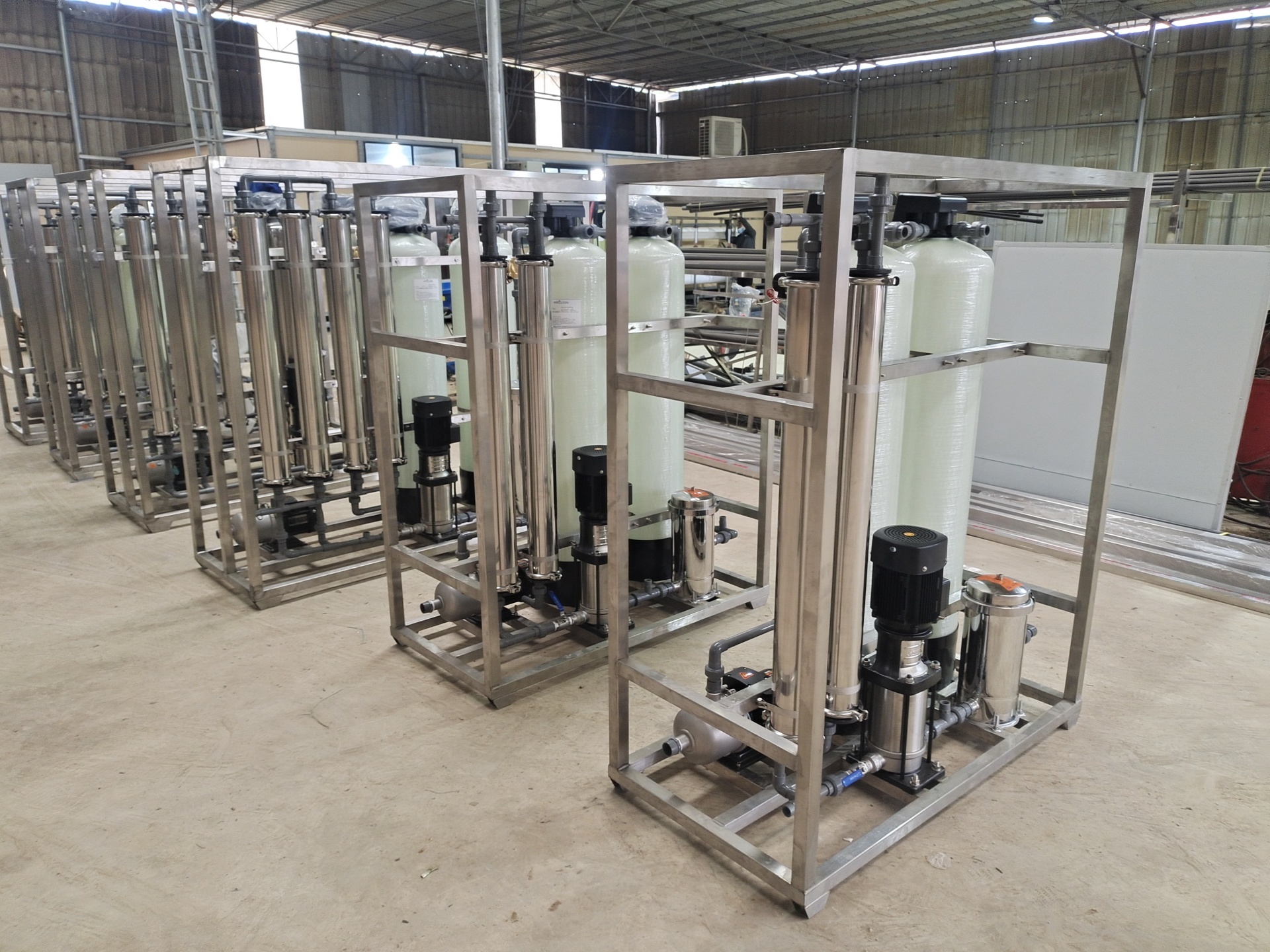
3.The use of water softening equipment reduces boiler maintenance workload. Once scale forms on boiler plates or pipes, it is extremely difficult to remove. This is especially true when scale leads to problems like leaks, cracks, breakage, deformation, and corrosion in gas boilers. This not only damages the boiler but also consumes significant human and material resources for repairs, reducing operational uptime and increasing maintenance costs.
4.The application of water softening equipment reduces the risk of accidents caused by scale in gas boilers. Accidents attributed to scale account for over 20% of total gas boiler incidents. These accidents not only cause equipment damage but can also impact personal safety. Furthermore, the construction and operating costs of water treatment account for only about one-quarter of the total savings achieved.
Previous page
More news


Contact Us
Guangxi Jonline Technology Co., Ltd.
Company Address: No. 14, 1st Floor, Factory No. 2, Phase I, ASEAN International Smart Park, No. 43 Anji Avenue, Nanning City
Factory Address: No. 14, 1st Floor, Building No. 2, ASEAN International Smart Park (Phase I), No. 43 Anji Avenue, Nanning City
Phone:18249982787
Email:876089222@qq.com
WeChat Official Account