


Consultation hotline
What are the main uses of reverse osmosis in water purification?
Release time:
2026-02-27 09:47
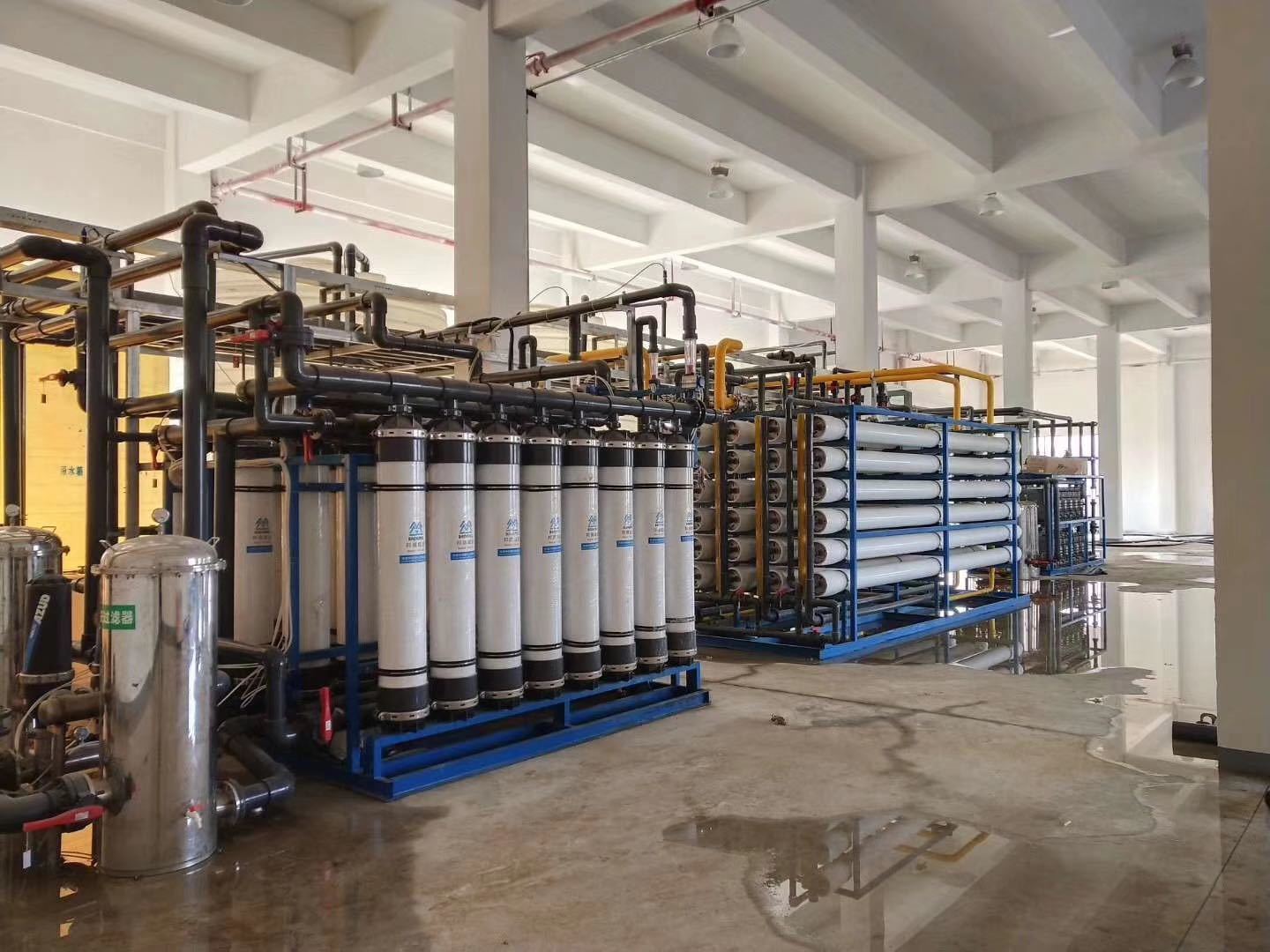
A reverse osmosis water purification device, also known as an RO system, represents a modern, new type of pure water treatment technology capable of achieving nearly 100% purity. Consequently, this type of water maker is referred to as Nanning reverse osmosis pure water equipment.
In an RO water treatment system, raw water passes through a fine filter, granular activated carbon filter, and compressed activated carbon filter before being pressurized by a pump to 1/6000th of its original volume equivalent to E size. The reverse osmosis membrane (RO membrane), which has a pore size of approximately 1/300th, transforms higher concentration water into lower concentration water while simultaneously isolating a large number of pollutants mixed in the water, such as industrial contaminants, heavy metals, bacteria, and viruses. This process ensures the water meets drinking standards, making it an optimal choice for supplementing the human body with high-quality water. Because the purity of water produced by reverse osmosis technology is among the highest of all artificially controlled water production techniques, the water it generates is exceptionally pure and clean, with a cleanliness level approaching 100%. This is why this type of water maker is called a reverse osmosis pure water system.
Reverse osmosis is a modern, new type of water purification equipment technology. It features reverse osmosis elements that enhance water purity by removing impurities and salts. The purified water we use daily, treated by an RO system, is crystal clear.
-
Electronics Industry Manufacturing: Preparation of softened water and ultrapure water required for producing electronic components such as glass bulbs for picture tubes, picture tubes, liquid crystal displays (LCDs), printed circuit boards, computer hard disks, integrated circuit chips, and single-crystal silicon semiconductors.
-
Power Generation: Production of demineralized water for boilers in thermal power plants and softened water equipment for use as feed water in medium and low-pressure boilers in factories and mines.
-
Pharmaceutical Industry: Preparation of medical infusions, injections, drugs, biochemical products, sterile water for medical use, and pure water for artificial kidney dialysis.
-
Food and Beverage Industry: Production of purified water, distilled water, mineral water, water for brewing, and purified water for blending in the beverage industry (including alcoholic beverages).
-
Desalination: Extraction of industrial and drinking water from seawater and brackish water.
-
Industrial Process Water:
-
Preparation of deionized water for electroplating processes.
-
Pure water for battery (storage) production processes.
-
Desalination of hard water and saline water for:
-
Rinsing water for automobiles, household appliances, and building material products.
-
Pure water for coated glass production.
-
Textile printing and dyeing processes.
-
-
-
Petrochemical Industry: Process water used in manufacturing, such as chemical reaction cooling water, and pure process water in the production of chemical reagents, fertilizers, fine chemicals, and cosmetics.
-
Public and Commercial Facilities: High-quality water supply for pipe networks in hotels, buildings, residential community airports, and swimming pool water purification.
-
Industrial Reuse: Water treatment for circuit boards, electroplating, wastewater treatment, and reuse in the electronics industry.
-
Wastewater Treatment: Treatment of wastewater from households, hospitals, tanneries, printing and dyeing factories, paper industries, and leachate.
The above content is sourced from the internet. If there is any infringement, please contact us for deletion. Thank you.
More news


Contact Us
Guangxi Jonline Technology Co., Ltd.
Company Address: No. 14, 1st Floor, Factory No. 2, Phase I, ASEAN International Smart Park, No. 43 Anji Avenue, Nanning City
Factory Address: No. 14, 1st Floor, Building No. 2, ASEAN International Smart Park (Phase I), No. 43 Anji Avenue, Nanning City
Phone:18249982787
Email:876089222@qq.com
WeChat Official Account