


Consultation hotline
Seawater Desalination Water Treatment Equipment
There are 4 to 5 methods of seawater desalination, but we primarily focus on the membrane treatment method, which is currently the most commonly used and widely applied.
Category:
Seawater Desalination Water Treatment Equipment
Keywords: water purification equipment, pure water equipment, design and manufacturing of purified water equipment
Consultation hotline
Contact Us
Product Description
The composition of seawater is complex, and its conductivity is extremely high. Depending on the sea area, it typically ranges between 10,000 and 30,000 μS/cm, or even higher. At the same time, turbidity, suspended solids, microorganisms, and especially algal contamination are very severe (as shown in the diagram). Algae, in particular, can foul membrane elements and disrupt the stable operation of the reverse osmosis system. Therefore, algal pollution must be considered in seawater desalination, and effective pretreatment of seawater is crucial.
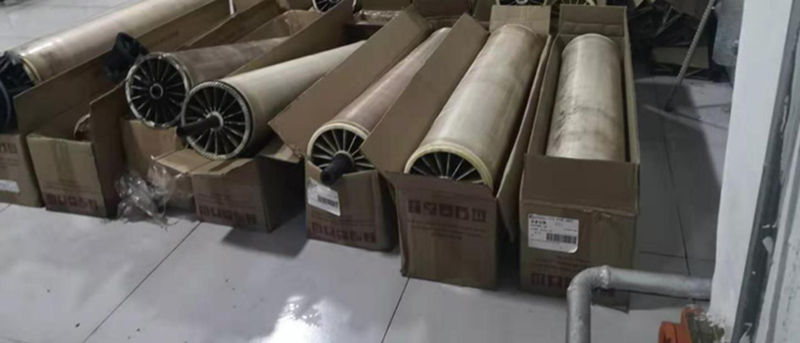
The most direct and effective method to kill algae in seawater is to add chemicals such as copper sulfate, liquid chlorine, and chlorine dioxide. However, due to cost considerations, a more common approach is to use seawater to generate sodium hypochlorite or chlorine dioxide solution on-site (via specialized generators). This solution is then circulated back into the pretreatment tank, where it is mixed by agitators to kill the algae.The dead algae need to be removed by adding ferric chloride, which facilitates thorough mixing, flocculation, and sedimentation to achieve algae removal. At the same time, any residual sodium hypochlorite or chlorine dioxide in the water must be neutralized. This requires the addition of sodium thiosulfate to ensure that the pretreated seawater does not contain excess oxidants, thereby preventing oxidative damage to the membrane elements.

Due to the high salinity of seawater and its pH level, it is necessary to appropriately add sulfuric acid during pretreatment to adjust the pH of the water quality, while also inhibiting the growth of algae.
After pretreatment, the seawater is sent through quartz sand filters, activated carbon filters, and cartridge filters, then to the ultrafiltration system, and finally to the reverse osmosis system. In this equipment system, it is essential to add scale inhibitors to prevent salt deposition, which could affect the stable operation of the system.
Before designing the entire system, the regional seawater must be tested to determine its conductivity level, in order to establish the operating pressure for the reverse osmosis system.
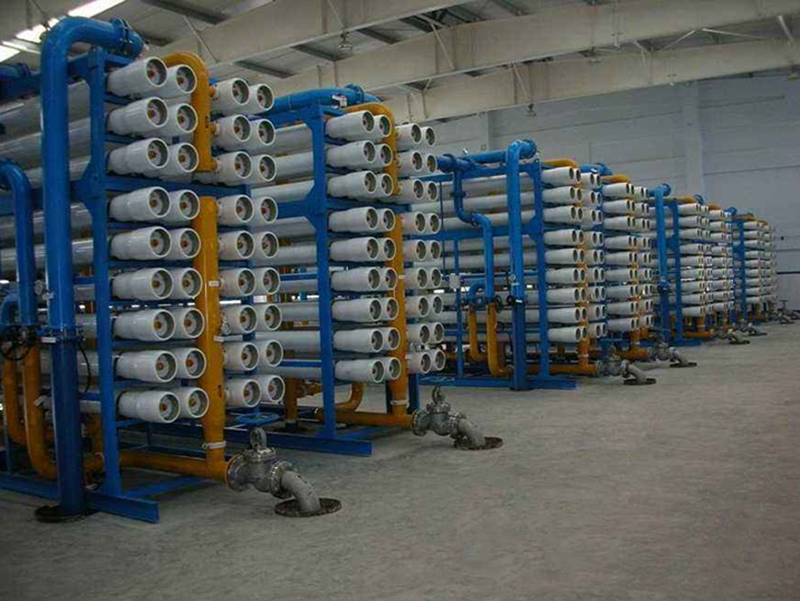
In reality, the operation of a seawater desalination system is far more complex than this. The difficulty of the entire system lies in the pretreatment stage, where all data must be monitored in real time, the chemical dosing flow must be fully automatically adjusted, and changes in water quality at each stage of pretreatment must be tracked.
Furthermore, water quality varies across different sea areas, requiring treatment processes to be tailored to specific marine regions. To learn more about seawater desalination equipment, obtain a free equipment proposal, or schedule an on-site inspection, you can consult us immediately at: 0771-3865273 / 18174741747.
Previous page
MORE PRODUCTS
- More products -
Listen to the voice of every customer.
LISTEN TO THE VOICE OF EVERY CUSTOMER


Contact Us
Guangxi Jonline Technology Co., Ltd.
Company Address: No. 14, 1st Floor, Factory No. 2, Phase I, ASEAN International Smart Park, No. 43 Anji Avenue, Nanning City
Factory Address: No. 14, 1st Floor, Building No. 2, ASEAN International Smart Park (Phase I), No. 43 Anji Avenue, Nanning City
Phone:18249982787
Email:876089222@qq.com
WeChat Official Account