


Consultation hotline
Common Problems and Solutions for Water Softening Equipment
Release time:
2026-02-26 16:39
During the operation of the equipment, special attention should be paid to maintenance and care. Failure to perform timely maintenance or to address minor issues promptly can affect the service life of the water softening equipment. Therefore, when problems arise with the water softening equipment, they should be resolved immediately. What common problems might occur, and how should they be solved?
1. Leakage of Ion Exchange Resin from Water Softening Equipment
During the water production process of the softening equipment, leakage of ion exchange resin is often caused by pipeline rupture, loosening, or cracking of the lower water distributor. The solution is to check the corresponding parts for damage and replace them if damaged. During the regeneration process, resin leakage is mainly caused by a cracked upper water distributor or excessively high backwash water inlet pressure and flow rate. If the upper water distributor is confirmed to be undamaged, reducing the backwash water flow rate can solve the problem.
2. Poor Salt Suction in Water Softening Equipment
The main reasons for no salt suction or very slow salt suction during the regeneration process include: low inlet water pressure, a clogged brine filter, a clogged suction line, or a clogged ejector. The solutions are as follows:
-
Check the inlet pressure gauge to confirm the inlet water pressure is adequate.
-
Inspect the suction line for blockages.
-
Unscrew and disassemble the brine filter, then clean it with clean tap water.
-
Disassemble the top cover of the ejector and clean it with clean tap water.
Special Note: When reassembling the top cover of the ejector, it must be done with the ejector filled with water to prevent air lock formation.
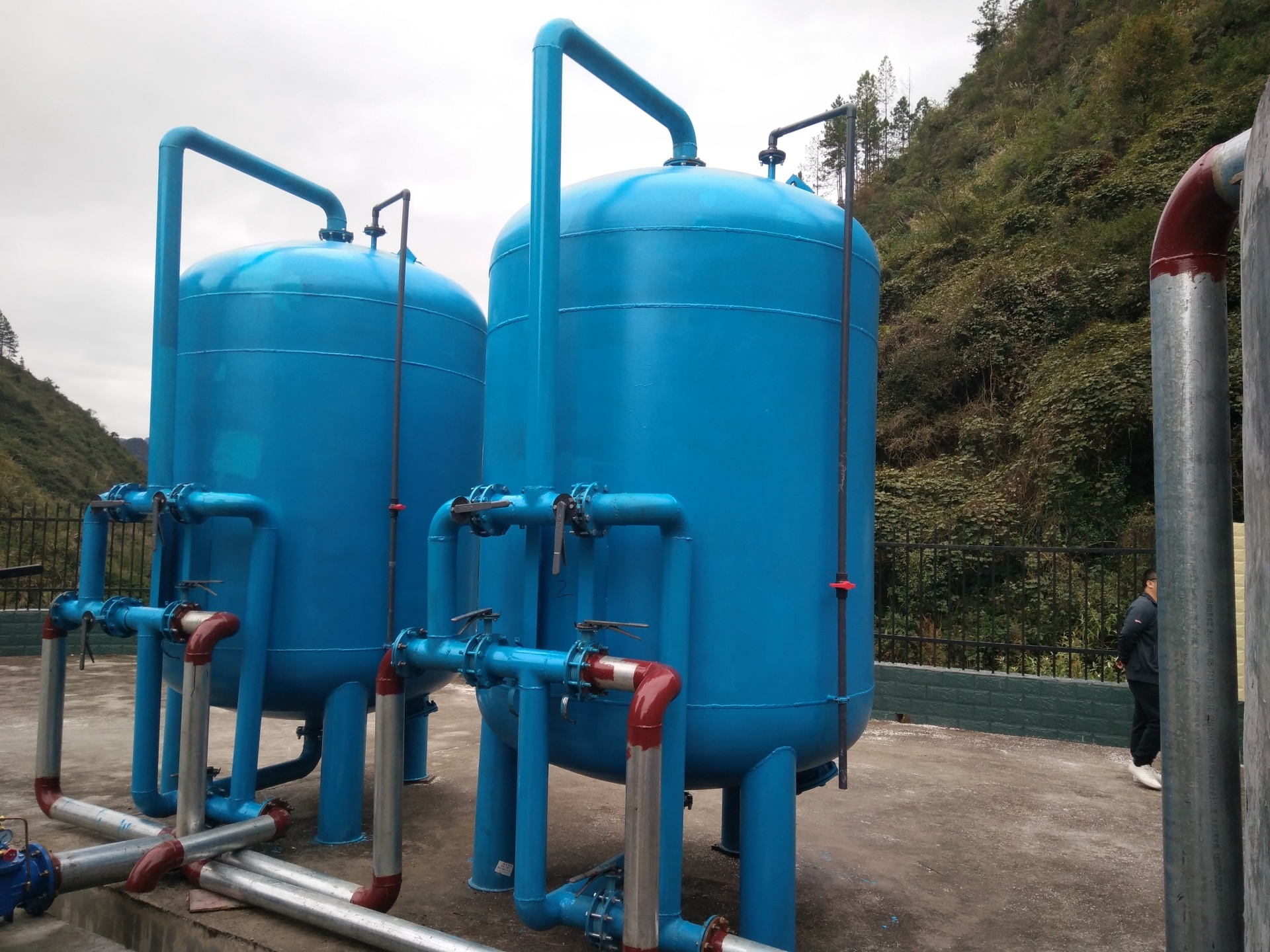
3. Too Much Water in the Salt Tank of the Water Softening Equipment
This problem may be caused by a blockage in the drain flow restrictor. Checking the drain pipeline can resolve the fault. Secondly, it could be caused by a blockage in the ejector piping. In this case, the ejector and filter screen should be cleaned promptly. At the same time, it is also possible that the timer has malfunctioned and stopped working; simply replacing the timer with a new one will suffice. If foreign objects have entered the salt suction valve, it can also cause the water softening device to have too much water in the salt tank. The solution here is to replace the salt suction valve seat and thoroughly clean the valve. If the cause is foreign objects in the suction flow restrictor, then a complete cleaning of the suction flow restrictor is necessary. Another possibility is that a power outage occurred during the process of adding water to the salt tank. In this situation, checking the power supply and making appropriate adjustments can resolve the fault.
The above are some common problems and solutions encountered during the use of water softening equipment.
More news


Contact Us
Guangxi Jonline Technology Co., Ltd.
Company Address: No. 14, 1st Floor, Factory No. 2, Phase I, ASEAN International Smart Park, No. 43 Anji Avenue, Nanning City
Factory Address: No. 14, 1st Floor, Building No. 2, ASEAN International Smart Park (Phase I), No. 43 Anji Avenue, Nanning City
Phone:18249982787
Email:876089222@qq.com
WeChat Official Account