


Consultation hotline
Solutions for Pure Water Equipment Malfunctions
Release time:
2026-02-26 17:20
Mechanical equipment inevitably encounters minor malfunctions. Below, the Nanning pure water equipment manufacturer shares some solutions for these problems:
1. The machine repeatedly starts and stops after the tank is full.
If this malfunction occurs, it indicates a pressure leak in the system. One possibility is insufficient raw water pressure. Another could be a pressure relief malfunction in the check valve. A third possibility is a faulty high-pressure switch. Any of these issues can cause the machine to repeatedly start and stop when the tank is full.
2. No pure water flows out even though the pressure tank is full.
In this case, first check if the pressure tank ball valve is damaged or if the pressure tank itself has a pressure leak. Additionally, a clogged post-activated carbon filter can also cause this malfunction.
3. Severe imbalance in the ratio of wastewater to pure water.
In this situation, first check if the rinse solenoid valve is faulty or damaged. Next, examine the wastewater flow restrictor; if it is excessively open or clogged, it can lead to this problem. Then, rule out whether the reverse osmosis membrane is clogged, causing a severe decline in its rejection rate.
4. The main unit rinses repeatedly.
This malfunction is generally caused by one of two possibilities: either the rinse switch is loose, or the wastewater flow restrictor has failed.
In industries such as electronics, semiconductors, liquid crystal displays, and photovoltaics, the use of pure ultrapure water is often required during production. If the pure water quality does not meet the process water requirements or is unstable, it can affect the effectiveness and service life of subsequent processes. For example, in the production of electronic tubes for the photovoltaic industry, if impurities are mixed in, it can affect electron emission, thereby impacting the amplification performance and lifespan of the tube. In the production of picture tubes and cathode-ray tubes, a layer of fluorescent material is adhered to the inner wall of the screen by spraying or precipitation. If the pure water used for preparation contains copper above 8 ppb, it can cause luminescence discoloration. If it contains iron above 50 ppb, it can cause luminescence to discolor, dim, flicker, and can also lead to defects such as bubbles, streaks, and light leakage points, resulting in waste products.
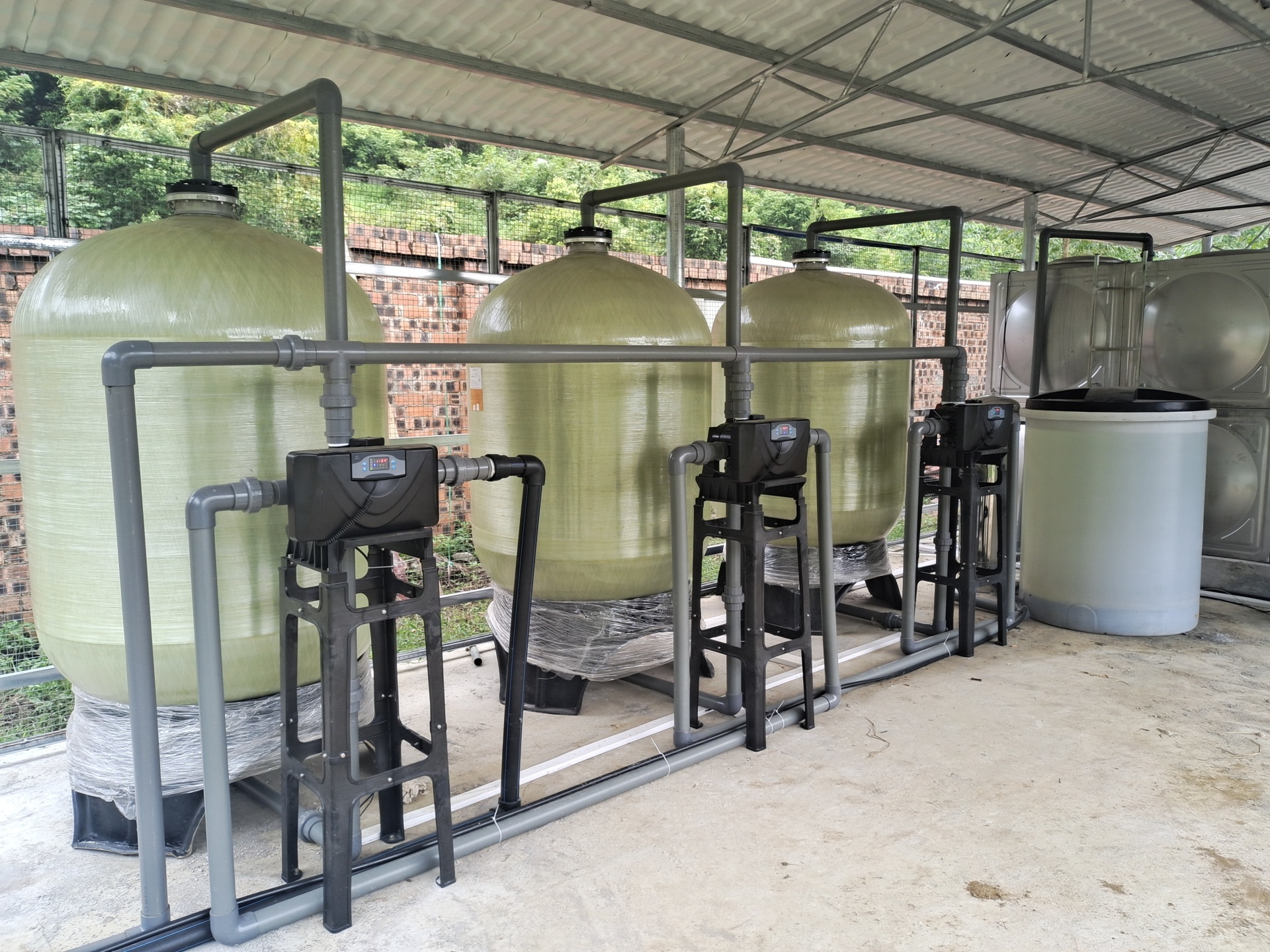
Nanning Water Purification Equipment reminds you that the above content is sourced from the internet. If there is any infringement, please contact us for deletion. Thank you.
Previous page
More news


Contact Us
Guangxi Jonline Technology Co., Ltd.
Company Address: No. 14, 1st Floor, Factory No. 2, Phase I, ASEAN International Smart Park, No. 43 Anji Avenue, Nanning City
Factory Address: No. 14, 1st Floor, Building No. 2, ASEAN International Smart Park (Phase I), No. 43 Anji Avenue, Nanning City
Phone:18249982787
Email:876089222@qq.com
WeChat Official Account